Introduction
In the quickly developing landscape of medical care, nurses find ventilation training course themselves at the forefront of client monitoring and care. One essential area that has acquired importance recently is ventilation monitoring. As more clients require respiratory assistance due to a range of conditions, the requirement for specialized training in this domain name ends up being significantly necessary. This short article will certainly explore the complex relationship between nursing and ventilation training courses, highlighting why every registered nurse needs to purchase these very useful academic opportunities.
Why Every Nurse Ought to Purchase Ventilation Training Courses
Ventilation training courses are designed to furnish nurses with the expertise and abilities essential to handle people needing respiratory system assistance effectively. These training courses incorporate a variety of subjects, consisting of standard ventilator procedure, advanced airway management, and particular methods associated with tracheostomy care. Recognizing exactly how to operate and troubleshoot ventilators can dramatically boost patient results and reduce difficulties related to mechanical ventilation.
The Expanding Importance of Air Flow Skills
With a boosting number of individuals offering with respiratory system lack or failure, the need for experienced specialists who can provide reliable respiratory tract and ventilation monitoring has actually risen. Registered nurses play a critical duty in monitoring individuals on ventilators, guaranteeing they obtain suitable degrees of assistance customized to their individual needs.
The Broadening Function of Nurses in Ventilation Management
Nurses are no longer mere aides to doctors; they are now integral participants of the healthcare group responsible for straight patient care. This change requires that nurses have thorough expertise concerning different clinical tools, consisting of ventilators.
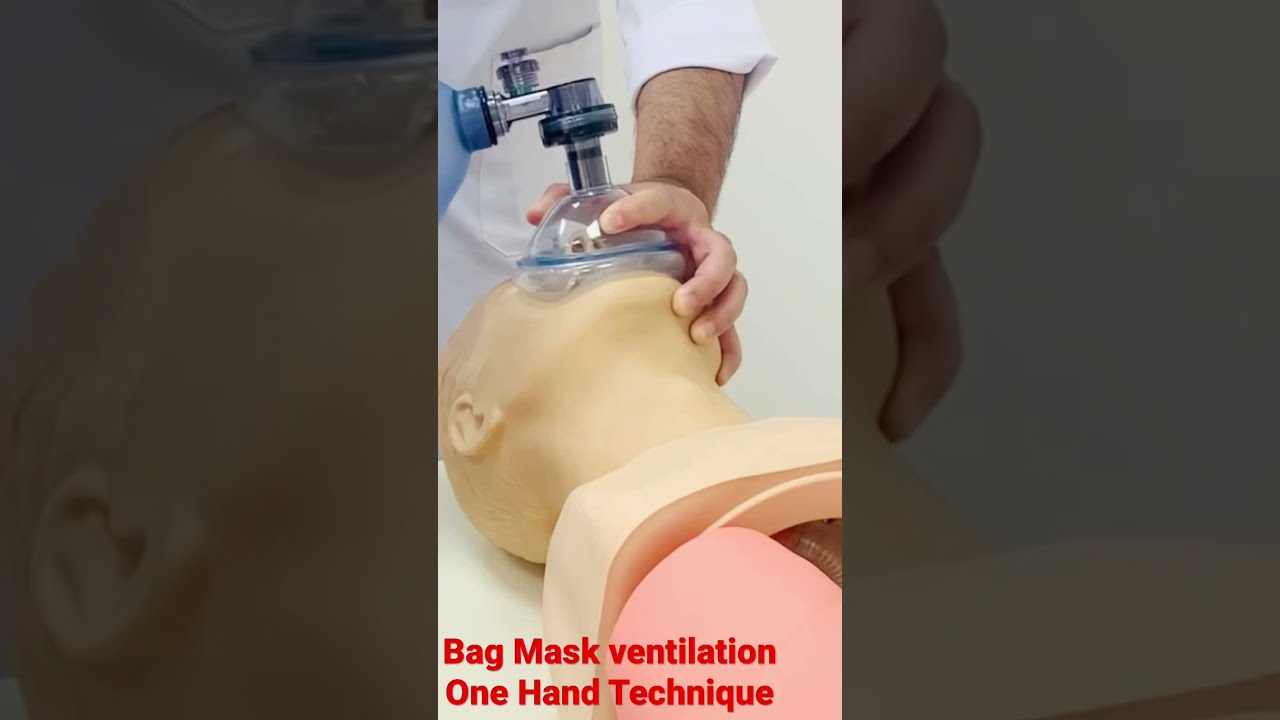
Understanding Mechanical Ventilation- What is mechanical air flow? How does it vary from hand-operated ventilation?
- Why is continuous tracking crucial for people on ventilators? What specifications need to registered nurses track?
Real-world Applications of Ventilation Training
In functional setups, nurses commonly find themselves taking care of intricate situations where prompt interventions can imply the difference in between life and death. As an example:
- A registered nurse learnt ventilator pressure support can swiftly change setups based upon a patient's transforming condition. Knowledge obtained from a basic ventilator course can help nurses recognize early indicators of breathing distress.
Components of Reliable Ventilation Training Courses
When considering investment in ventilation training programs, it's vital to recognize what these programs usually cover:
Basic Principles of Ventilation
- Introduction to various kinds of ventilatory support. Basic technicians behind how ventilators work.
- Tracheostomy and ventilator management. Troubleshooting common problems experienced throughout mechanical ventilation.
- Case researches highlighting real-life circumstances where proper training made a significant impact. Hands-on practice sessions with advanced equipment.
Benefits of Specialized Ventilator Training for Nurses
Investing time and resources right into specialized training returns many benefits:
Enhanced Individual Safety
With progressed understanding comes boosted confidence when looking after seriously ill people on mechanical assistance:
- Understanding potential issues associated with inadequate respiratory tract management. Being able to identify when intervention is necessary.
Improved Work Fulfillment and Job Advancement
Nurses outfitted with specialized skills typically appreciate higher work contentment as a result of their improved abilities, causing career improvement opportunities:
- Potential duties consist of Professional Nurse Specialist or Respiratory System Registered Nurse Educator.
Types of Ventilation Training Courses Available
When exploring options for ventilation training programs, consider the following groups:

Basic Ventilator Course
Designed for entry-level nurses looking to develop foundational knowledge.

NDIS Ventilation Training Course
Focused on details needs associated with individuals under the National Disability Insurance Coverage Scheme (NDIS).
Advanced Air passage Monitoring Courses
Targeted at skilled nurses seeking to deepen their understanding and abilities related to complicated situations including airway management.
Frequently Asked Questions regarding Ventilation Training Courses
1. What is a basic ventilator course?
A basic ventilator program provides foundational knowledge regarding mechanical air flow principles, aiding registered nurses comprehend exactly how ventilators function and exactly how to check patients effectively.
2. For how long do ventilation training programs usually last?
Most training courses range from eventually to numerous weeks depending on their complexity and depth.
3. Who should take these courses?
While largely focused on registered nurses, other health care professionals associated with patient treatment might likewise take advantage of these programs.
4. Exist online options available for air flow training?
Yes! Numerous establishments offer hybrid designs or fully online training courses that permit flexibility while getting crucial skills.
5. Is qualification supplied upon completion?
Most credible programs use accreditation upon successful completion as proof of proficiency in handling people calling for airway support
6. Can ventilation training improve patient outcomes?
Absolutely! Proof suggests that well-trained personnel can much better manage complicated situations leading eventually in the direction of enhanced wellness outcomes for clients needing breathing support
Conclusion: Investing in Your Future as a Nurse
As we browse with an era noted by considerable technological improvements within healthcare centers throughout many countries globally, investing time into acquiring know-how such as those used through various sorts of sophisticated educational programs continues to be critical. The growing value placed upon reliable air passage monitoring can not be overstated; for that reason it stands clear why every nurse must spend ventilation training for ndis care providers greatly into going after detailed education and learning around subjects such as "ventilatory strategies". Not just does this lead towards boosted profession leads however additionally furnishes specialists with necessary devices required when giving quality treatment under difficult situations.
Ultimately, by focusing on professional growth via targeted coursework like "ventilator training", you're not simply enhancing your capability-- you're adding favorably in the direction of far better general medical care shipment systems profiting numerous lives along way. So proceed-- take that jump forward; register today!